


Traducir esta página:


Control y medición de color
16.02.2021
08.02.2021
25.01.2021
26.10.2020
09.06.2020
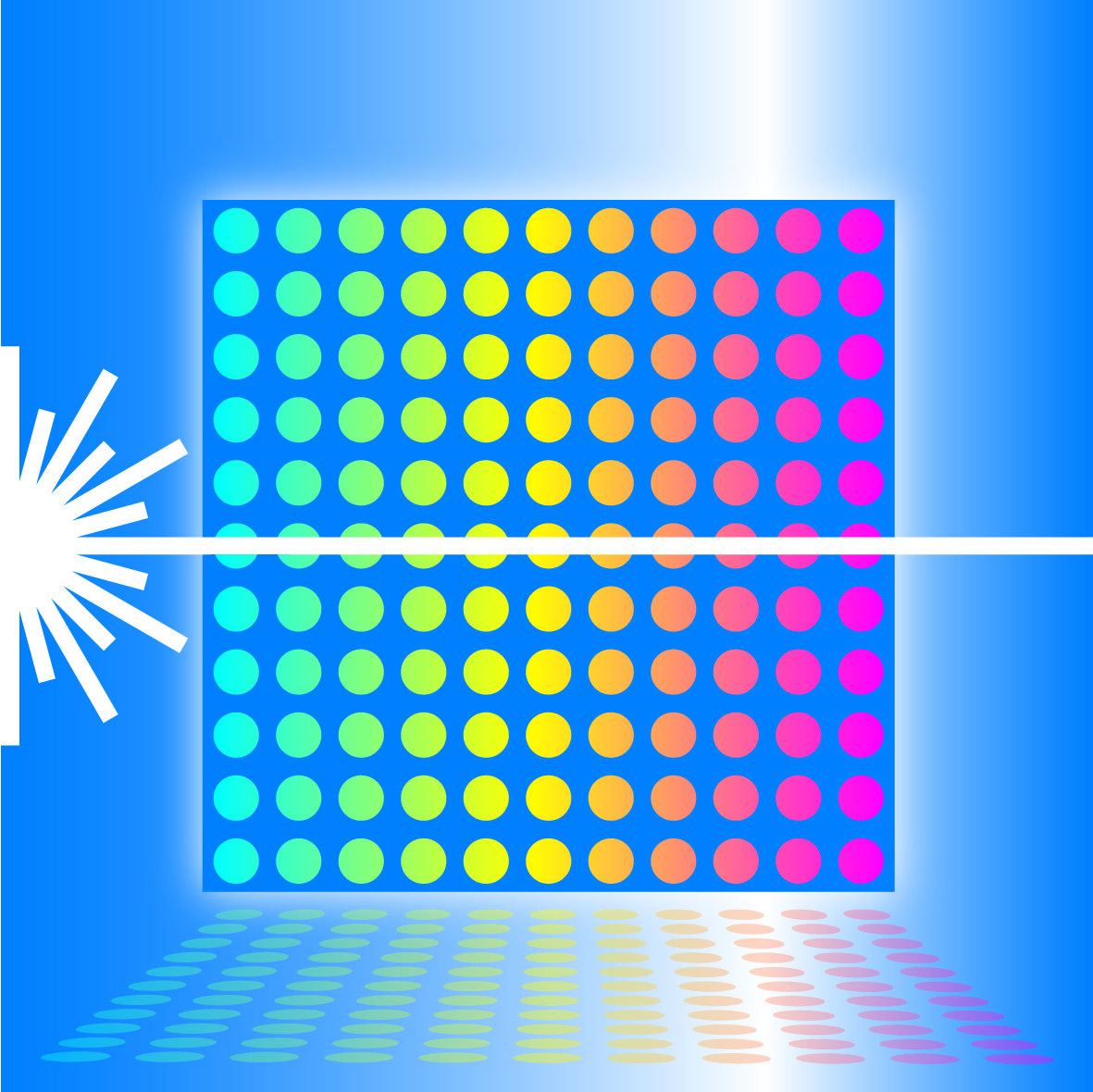 El secreto está en el tono (de color): medición de tonos de distintos haces de fibras de colores. El secreto está en el tono (de color): medición de tonos de distintos haces de fibras de colores.se necesita medir el tono de color en línea al principio del proceso de tinte en la medida de lo posible. La información sobre el tono actual, el llamado valor real, se puede comparar con el valor objetivo del tono mediante CLP. La diferencia entre ambos valores proporciona información sobre si se debe agregar más o menos color al baño de tinte. Para medir el color del haz de fibras, se puede utilizar un sensor de color tipo SPECTRO-3-28-45°/0°-MSM-ANA-DL, que dispone de iluminación integral de 45° y detecta el color normalmente (por debajo de 0°). De este modo, se evita gran parte de los reflejos directos, como los provocados por el tinte que aún está húmedo durante la medición. La distancia entre el sensor y el haz de fibras suele ser de 28 mm y, a esta distancia, el área de detección tiene un diámetro de 10 mm aprox. ► Comunicado de prensa (Word/pdf) |
 SPECTRO-3-28-45°/0°-MSM-ANA-DL Serie SPECTRO-3-MSM-ANA |
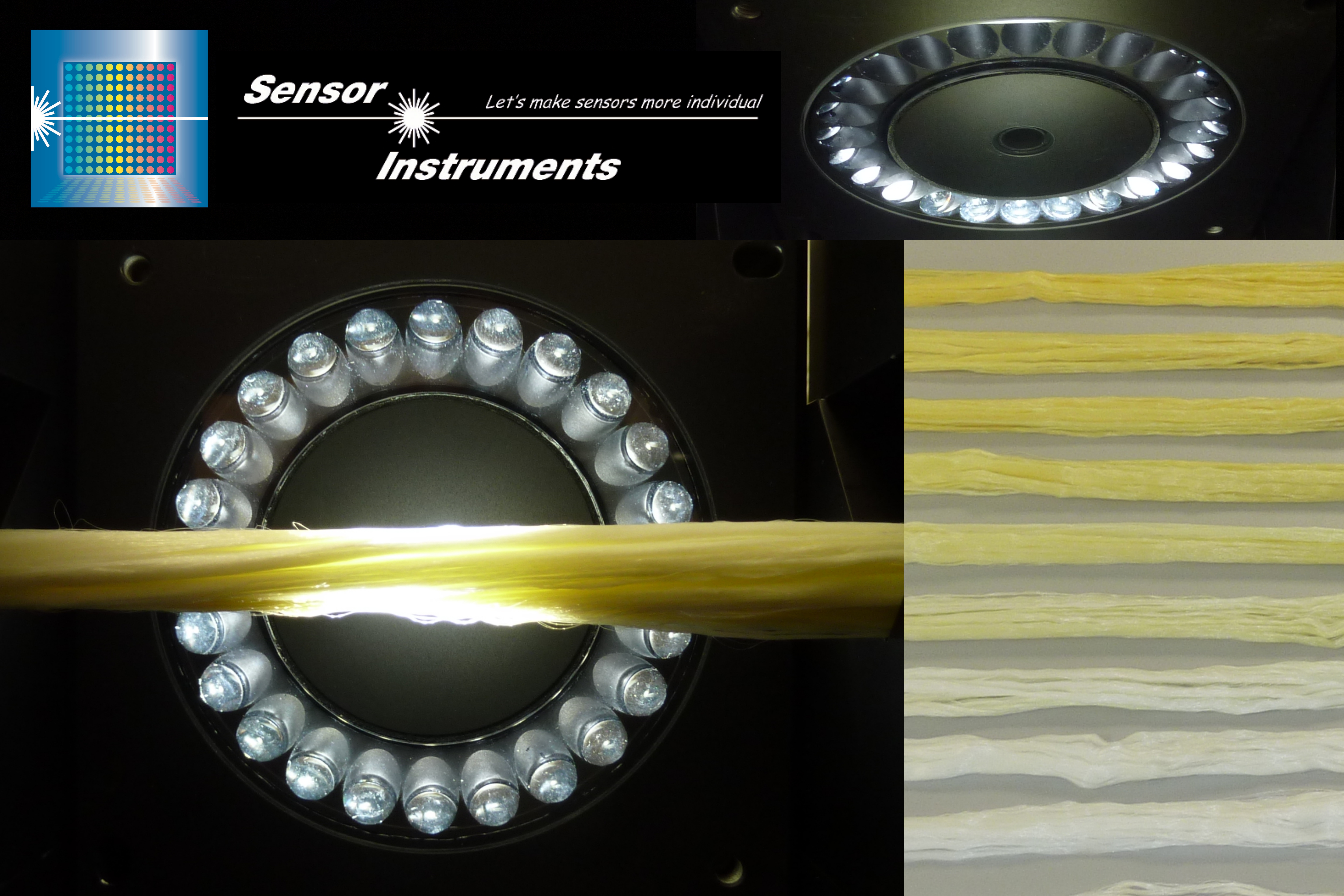
| Separación de ropa usada por colores durante el proceso de reciclaje. Es necesario clasificar por colores ropa usada de distintos colores que se transporta en una cinta transportadora. El orden, la orientación de las prendas y el doblado, ya sea plano o abultado, son aleatorios. Además, las prendas se transportan de forma individual, es decir, dejando un hueco entre ellas, lo que permite ver la prenda en cuestión en perpendicular desde arriba. La velocidad de transporte de la cinta es constante, de 1 m/s aprox. En cuanto se detecta el color de la prenda en cuestión, una de las boquillas de soplado se activa con un retardo de tiempo y se asegura de que la prenda vaya al contenedor previsto para ese color. En el curso de los estudios preliminares, el sensor de color SPECTRO-3-1000-COF-d50.0-CL-MSM-DIG ha resultado ser la mejor opción para esta tarea de medición. ► Comunicado de prensa (Word/pdf) |
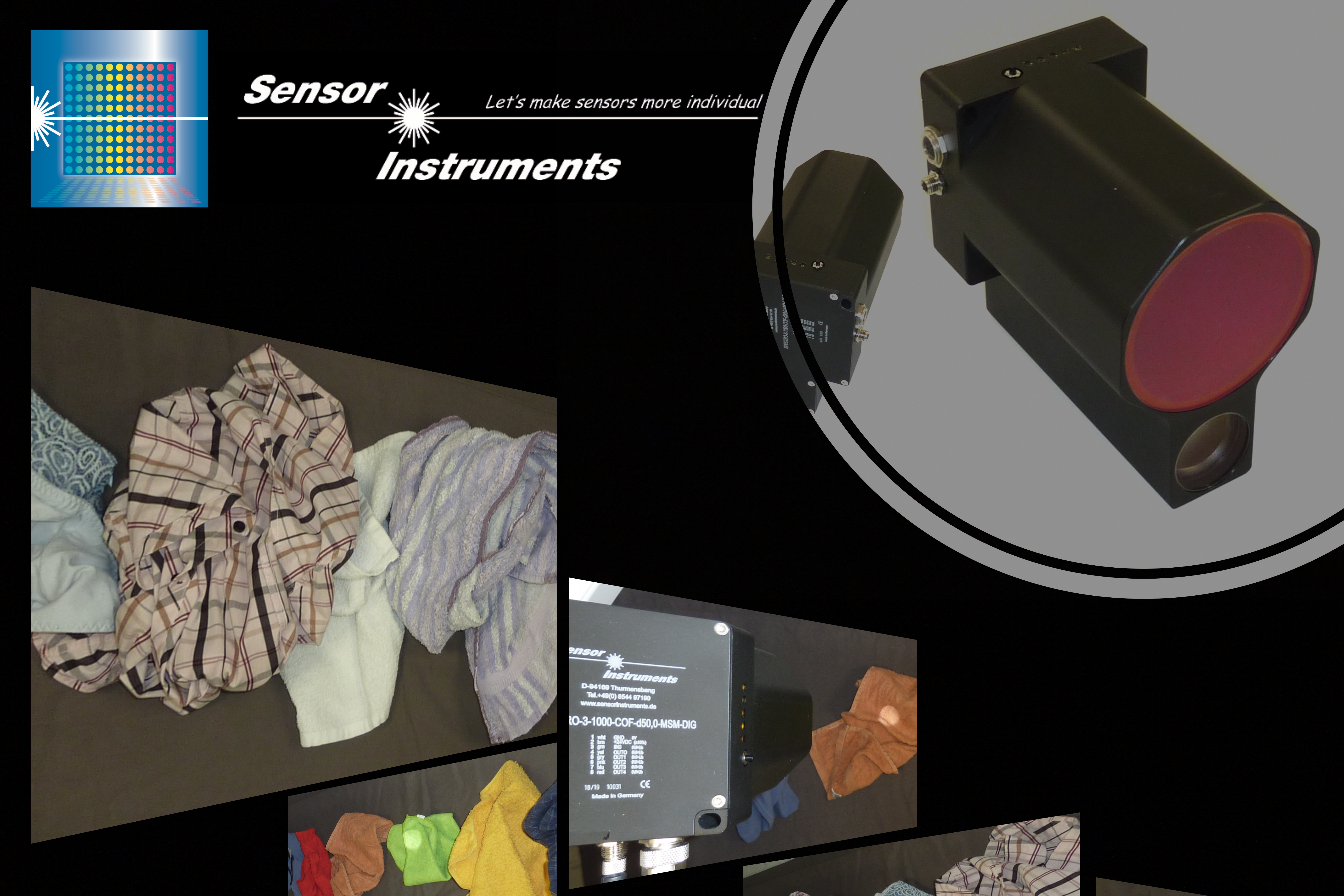 SPECTRO-3-1000-COF-d50.0-CL-MSM-DIG Serie SPECTRO-3-MSM-DIG |
| Distinción entre el lado de estaño y el lado del fuego en vidrio flotado. El vidrio flotado adquiere su forma y su grosor, pero también sus propiedades superficiales a través del transporte del vidrio fundido sobre estaño líquido. Al flotar en el baño de estaño, el vidrio fundido se adapta a su superficie y adquiere una superficie plana (lado de estaño). Para la superficie del vidrio que no está en contacto con el baño de estaño (lado del fuego), se crea un determinado perfil de temperatura con un quemador de gas para que el vidrio fundido pueda enfriarse gradualmente y adquirir de este modo su forma posterior. En el tratamiento posterior del vidrio flotado, será importante saber cuál es el lado de estaño y cuál es el lado del fuego. Las microinclusiones de estaño pueden influir, por ejemplo, en la resistencia eléctrica de la superficie del vidrio (aplicación de tiras de contacto de metal en la luneta trasera de un automóvil), pero cuando se aplican capas adicionales a la superficie del vidrio (por ejemplo, nanocapas), también es decisivo saber qué lado del vidrio flotado hay que recubrir para la aplicación posterior. El sensor de contraste UVC SPECTRO-1-20-UVC-DIL de Sensor Instruments GmbH permite controlar la superficie del vidrio en lo concerniente al lado de estaño y al lado del fuego. ► Comunicado de prensa (Word/pdf) |
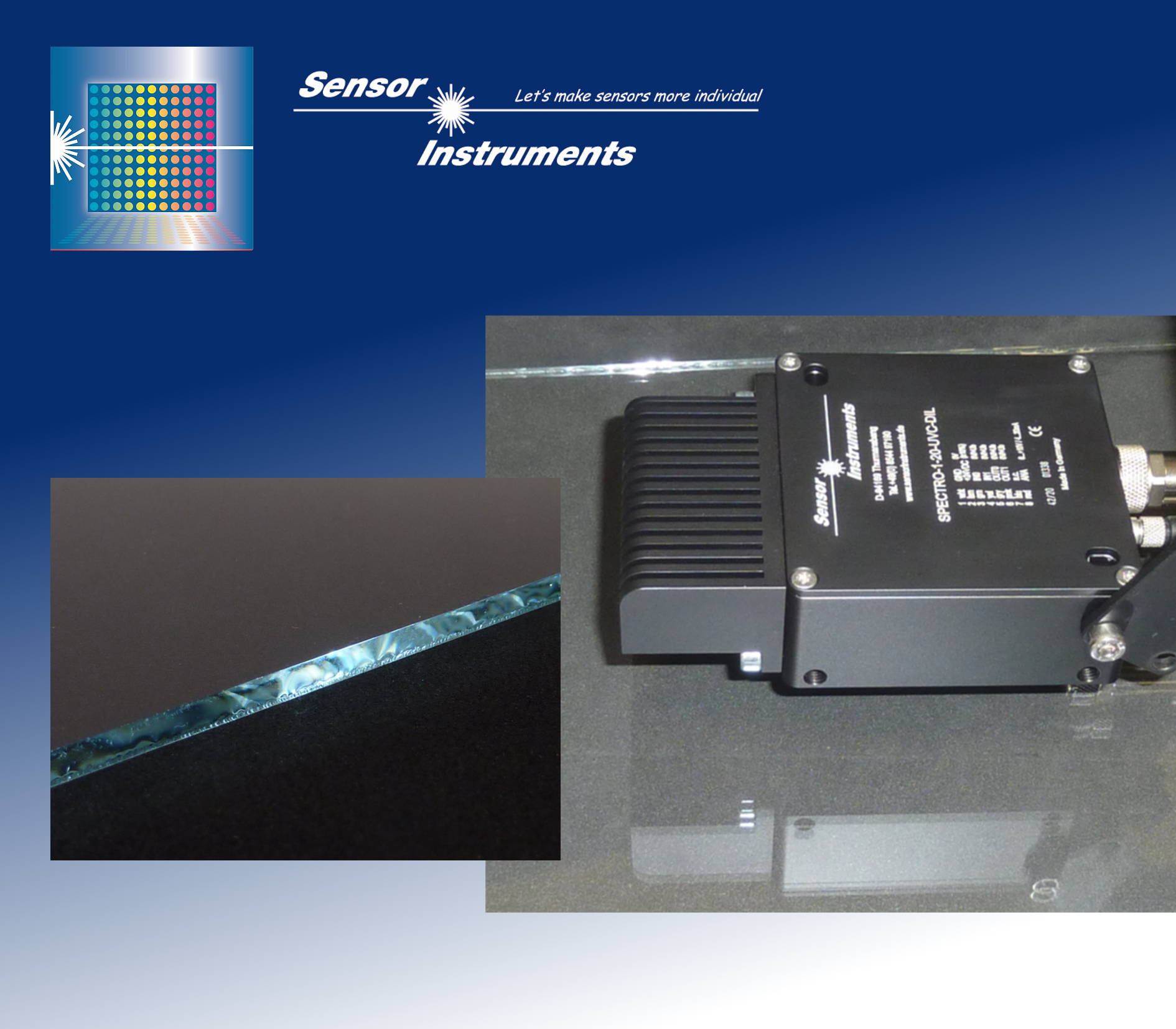 SPECTRO-1-20-UVC-DIL Serie SPECTRO-1 |
| ¡Materiales sostenibles versus materiales vírgenes! Los reciclados de plástico han llegado para quedarse. ¡un nacimiento difícil! Tras años en la sombra viendo cómo se extendía el uso de los llamados materiales vírgenes, los reciclados de plástico empiezan a escribir por fin su propia historia. Las razones son varias. Si bien el plástico reciclado no se consideraba rentable al principio debido al complejo procesamiento técnico que requería, desde entonces la tecnología ha avanzado, la calidad ha aumentado y los costes se han reducido. Sin embargo, los reciclados no habrían podido abrirse paso si la Unión Europea no hubiera creado la base legal necesaria para el uso sostenible de los plásticos en los últimos años. La Directiva de la UE establece, por ejemplo, una cantidad mínima para el uso de reciclados de plástico en botellas de plástico. Pese a que sus propiedades han mejorado, los reciclajes de plástico siguen sin alcanzar la calidad de los materiales vírgenes; ejemplo de ello es que las variaciones de color con respecto al estado deseado siguen estando a la orden del día. La única manera de mantener el valor de color previsto de un producto que se vaya a fabricar es añadiendo una cantidad determinada de material virgen. Para poder calcular la cantidad exacta necesaria, hay que realizar una medición de color en el reciclado de plástico. La medición de color se realiza INLINE; debido a la alta temperatura ambiente, el sistema de medición de color se ejecuta como un sistema de guía de luz (KL-D-0°/45°-85-1200-A3.0-VIS) y funciona según el método de medición de color de 0°/45°. Con un tamaño de punto de luz blanca de 25 mm de diámetro, se calcula ópticamente un gran número de pellets, de modo que la unidad de evaluación SPECTRO-3-FIO-MSM-ANA-DL que está conectada al extremo frontal de la guía de luz puede calcular el valor de color con precisión (L*a*b* o xyY). Los valores de color se transfieren al control de la unidad de dosificación y, dependiendo de la desviación de color con respecto al valor objetivo, se agrega la cantidad de material virgen que corresponda. ► Comunicado de prensa (Word/pdf) |
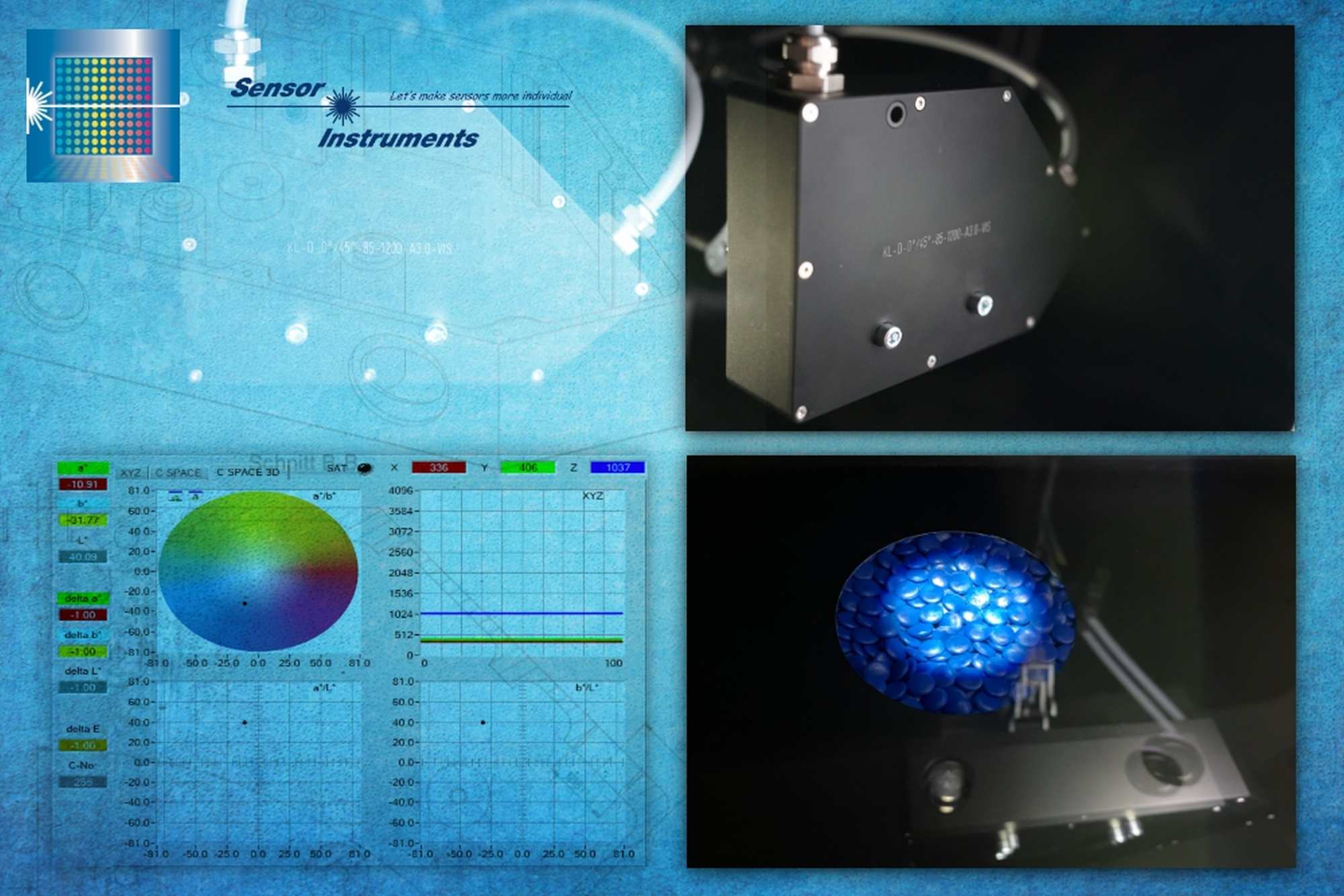 SPECTRO-3-FIO-MSM-ANA-DL + KL-D-0°/45°-85-1200-A3.0-VIS Serie SPECTRO-3-MSM-ANA |
| Medición de color de placas metálicas lacadas En planchas metálicas, el color debe medirse inmediatamente después del proceso de lacado. Debe tenerse en cuenta que existen superficies muy brillantes y muy mates y que el valor del color debe determinarse independientemente del grado de brillo. Además, la medición debe realizarse en línea para satisfacer, por un lado, el control al 100% y, por otro, para contrarrestar lo más rápidamente posible cualquier cambio de color. Se recomienda un instrumento de la serie SPECTRO-3 que funciona según el método de 45°/0° (SPECTRO-3-28-45°/0°-MSM-ANA-DL) como sensor colorimétrico. ► Comunicado de prensa (Word/pdf) |
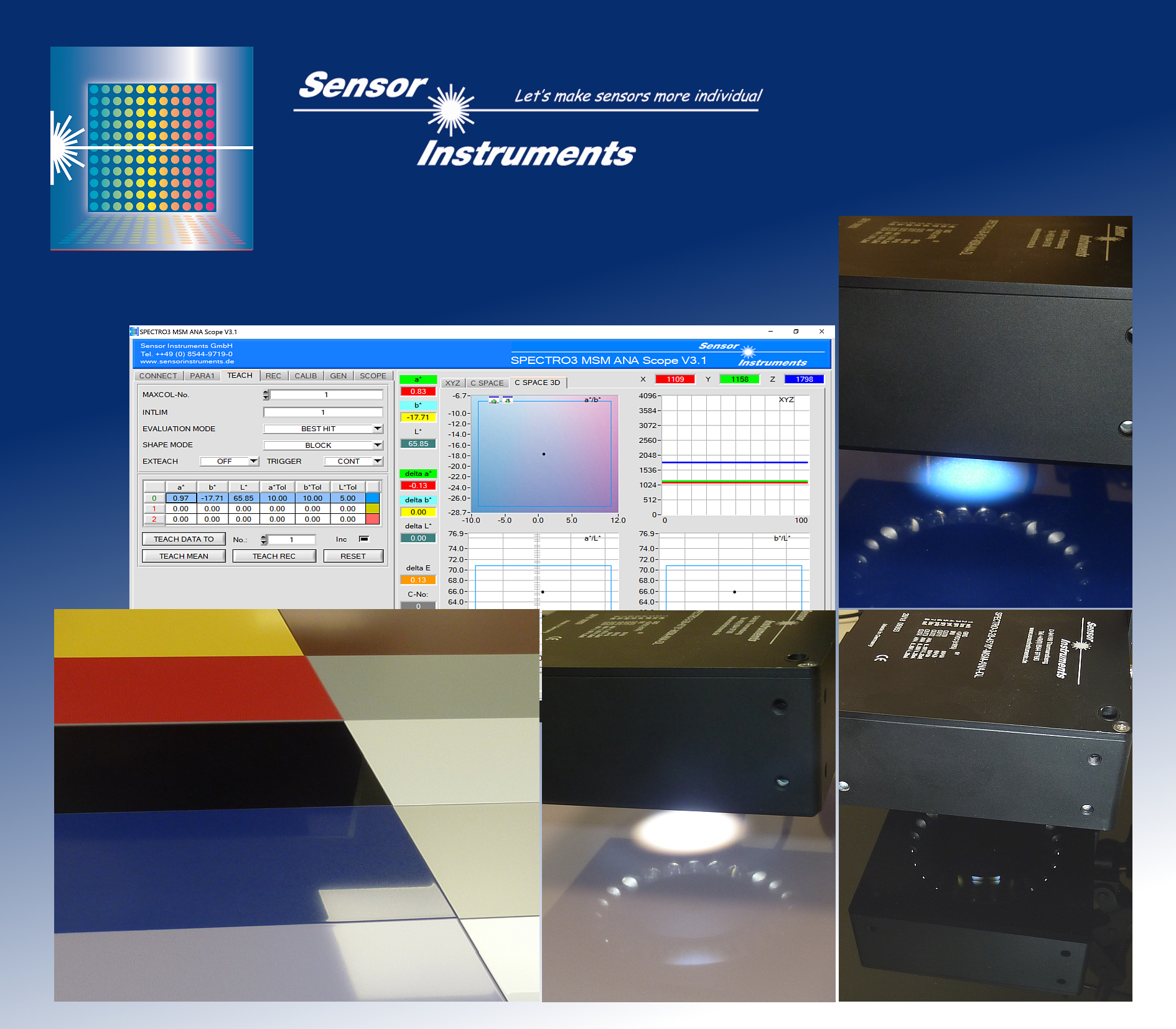 SPECTRO-3-28-45°/0°-MSM-ANA-DL Serie SPECTRO-3-MSM-ANA |
| No sobrepasar el rojo de la línea Los alambres de plástico de diferente grosor, color, forma y calidad de superficie se utilizan en muchas áreas diferentes. Por ejemplo, las raquetas de tenis se fabrican con monofilamentos de poliéster, ya que el perfil triangular de las cuerdas da más efecto a la raqueta; para los monofilamentos destinados a la fabricación de grandes bolsas de plástico, los llamados "Big Bags", el material de banda plano es el más adecuado. En la producción de papel, se emplea en el área húmeda las cintas de tamizado, hechas de monofilamentos de plástico redondos, y en las cerdas de plástico del cepillo de dientes se añade material abrasivo al plástico. Recientemente, los monofilamentos de plástico también se han comenzado a utilizar en las llamadas impresoras 3D. Aquí también se emplean alambres redondos con diferentes diámetros. Además de la forma, la consistencia del color es decisiva para el usuario dado que las variaciones de color a menudo se interpretan como fluctuaciones de calidad en el material de plástico. Especialmente en el caso de productos tejidos, como tamices de plástico, "Big Bags" y raquetas de tenis, el observador puede percibir incluso los matices de color más pequeños (generalmente a partir de una diferencia de color de dE = 1). Por lo tanto, es aconsejable o necesario que el fabricante verifique el color de los monofilamentos ya durante la fabricación, es decir, en línea. El tamaño del objeto, la forma y el brillo de los monofilamentos de plástico han dificultado hasta ahora el uso de dispositivos de medición de color en línea, sobre todo porque durante la monitorización debe detectarse de forma segura una variación de color de> dE = 0.7. ► Comunicado de prensa (Word/pdf) |
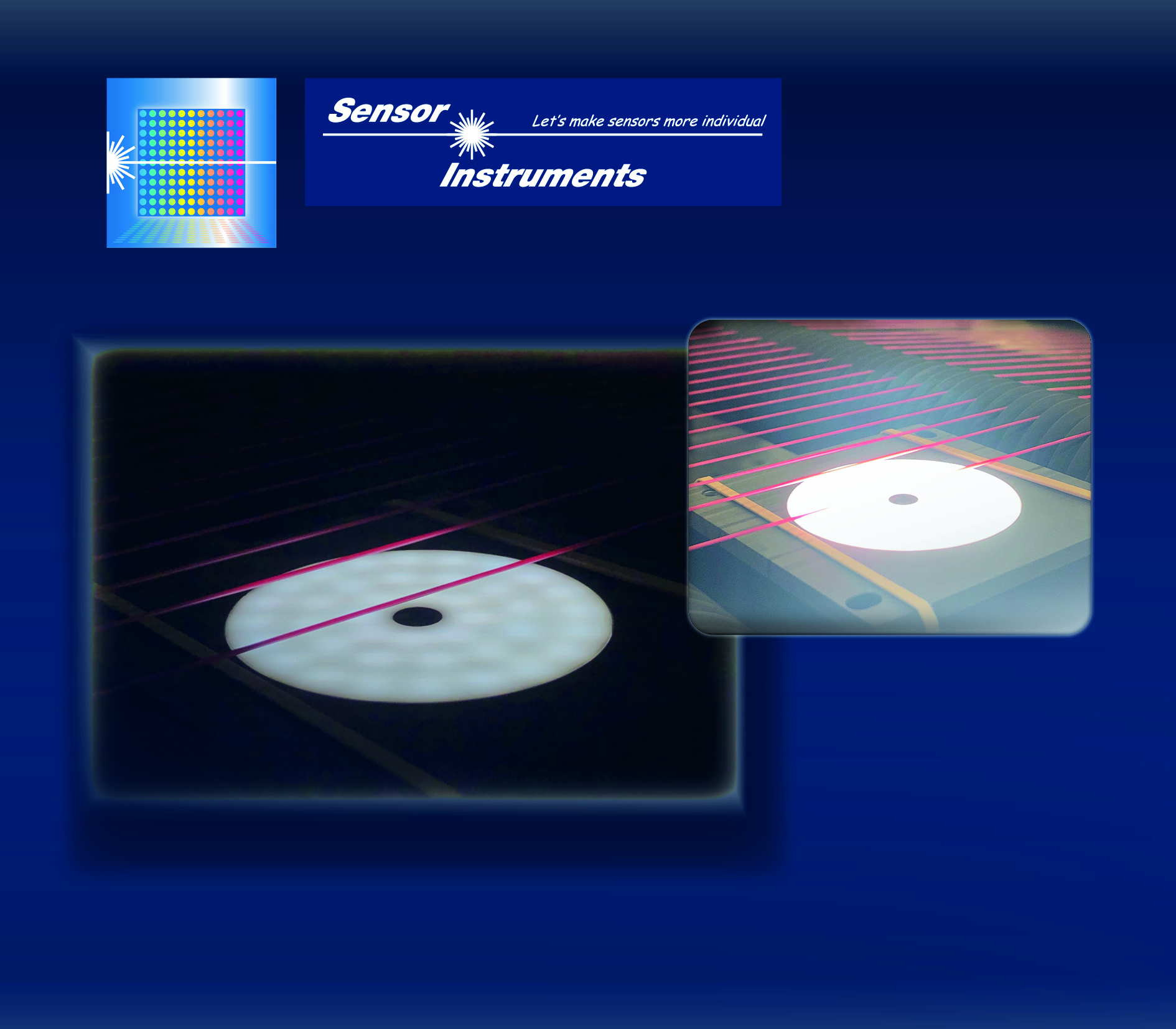 SPECTRO-3-12-DIF-MSM-ANA-DL Serie SPECTRO-3-MSM-ANA |
| La dosis correcta es lo que cuenta Barras de guía de luz Cada vez más vehículos se equipan con barras de guía de luz en el interior, la llamada zona de ambiente. Éstas se encuentran ahora en el revestimiento de las puertas, en el tablero de instrumentos, en la consola central y también en el techo del vehículo. La luz es guiada desde las barras de guía de luz a través de tiras planas semitransparentes hacia el interior del vehículo. Una falta de homogeneidad en la barra guía de luz influiría en el comportamiento de dispersión de la luz desacoplada; un observador la percibiría como un área clara u oscura a lo largo de la franja luminosa en el interior del vehículo durante una conducción en la oscuridad y, por lo tanto, la encontraría perturbadora. ► Comunicado de prensa (Word/pdf) |
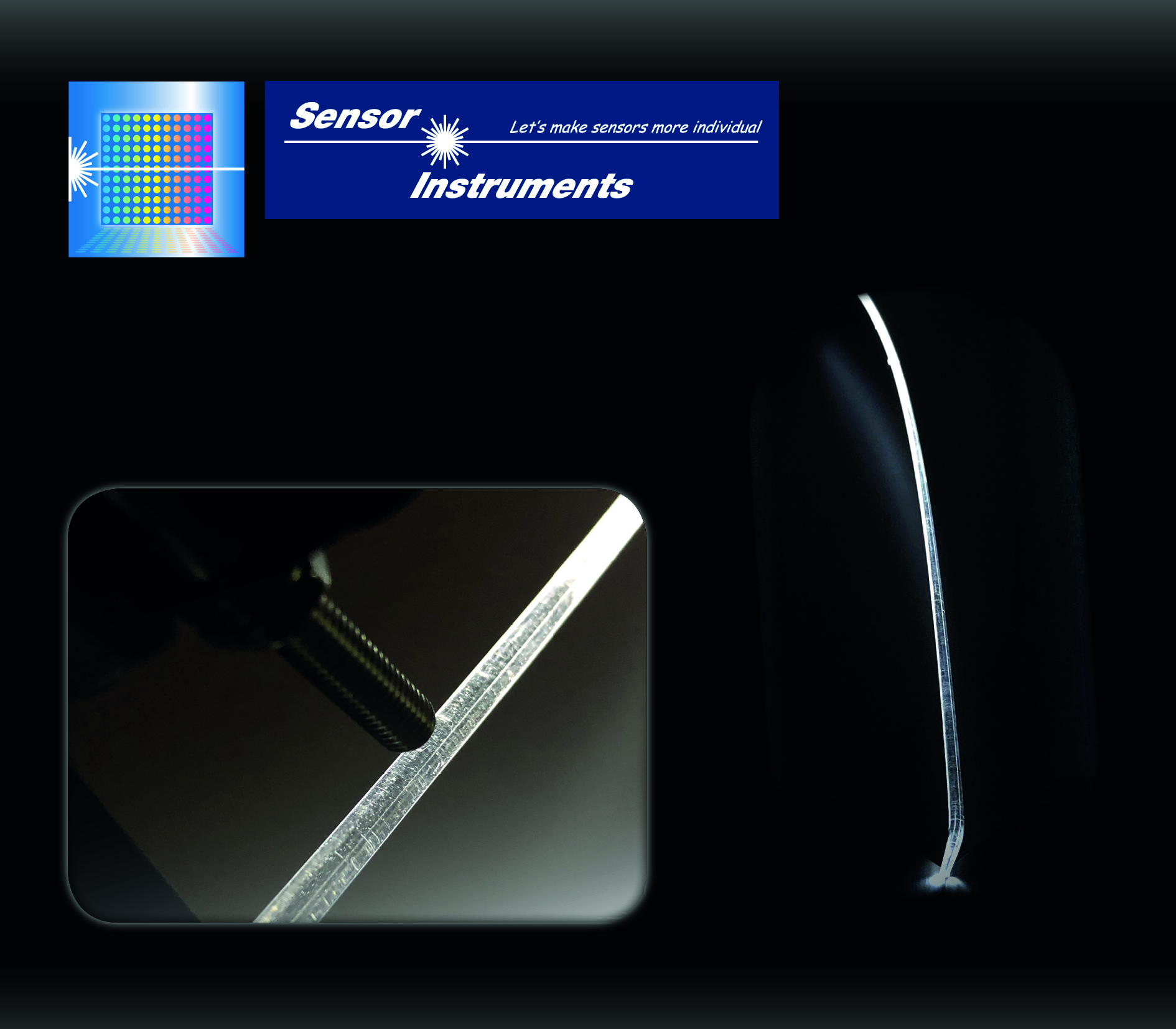 SPECTRO-3-FIO-ANA-LEDCON-HA Serie SPECTRO-3-ANA |
| Elegir el lado correcto El 95% del vidrio plano fabricado industrialmente se produce ahora mediante el proceso de vidrio flotado. En este proceso, el vidrio líquido se introduce continuamente en un baño de estaño líquido. Debido a su menor peso, el vidrio fundido flota en la superficie del estaño sin tratar y forma una película de espesor uniforme y extremadamente lisa sobre un baño de estaño longitudinalmente alargado. El lado del vidrio que mira hacia la fundición de estaño está ligeramente contaminado con estaño y, por lo tanto, tiene los efectos consiguientes en el procesamiento posterior del vidrio flotado, por ejemplo, el recubrimiento de la superficie del vidrio. Por lo tanto, en el tratamiento posterior del vidrio flotado, es importante distinguir la superficie contaminada por el baño de estaño del denominado lado del fuego (pulido al fuego; durante la producción de vidrio flotado, se calienta el lado del vidrio opuesto de la fundición del estaño).
|
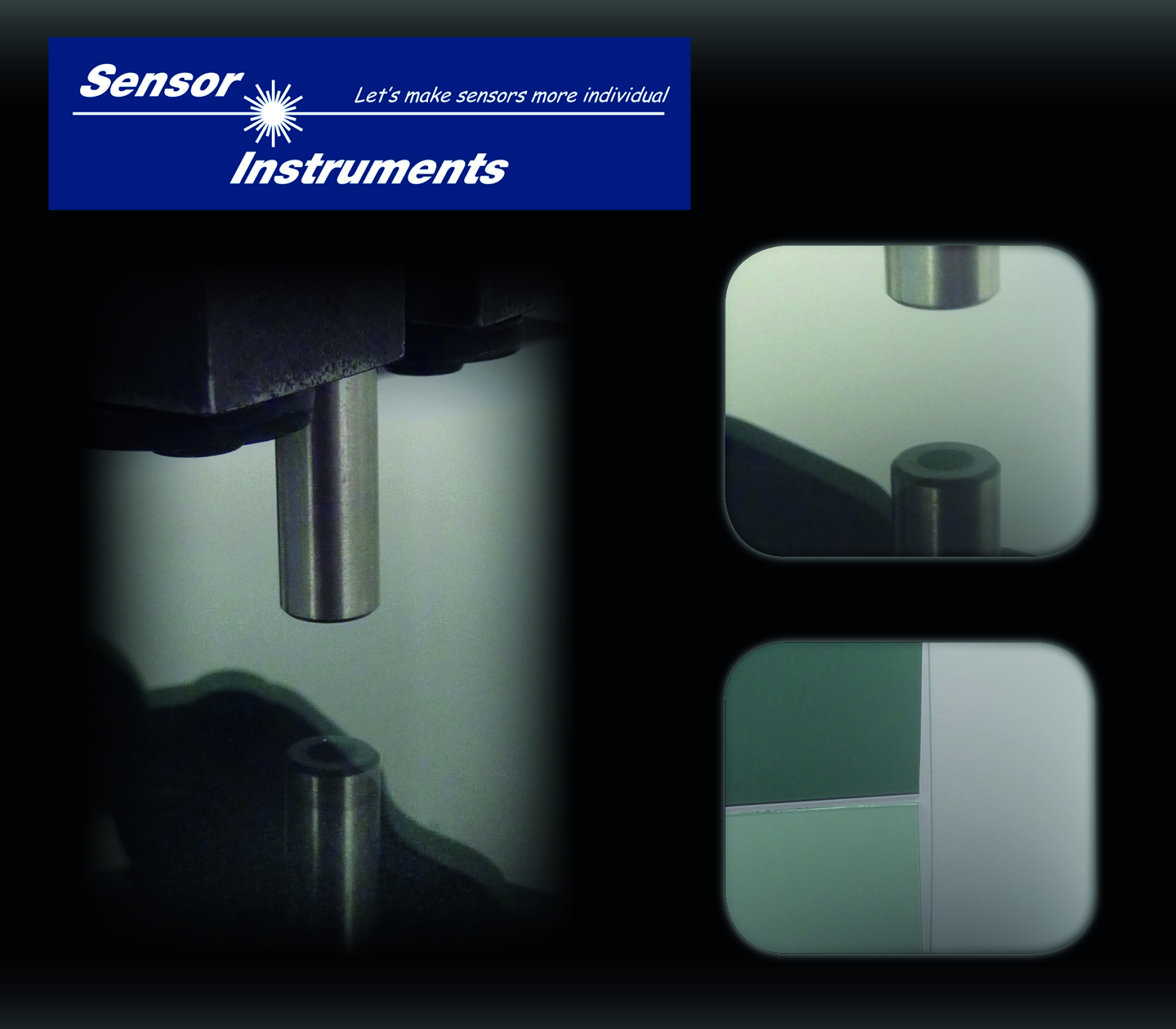 Sensor de contraste SPECTRO-1-FIO-UVC/UVC |
| Medición de color en línea de lacas a través de una mirilla de 15mm de espesor Hasta ahora, el control del color durante la producción de lacas de color se realizaba principalmente en el laboratorio. Se debía tomar una muestra de laca, que luego se analizaba con respecto al color como una fina capa de laca en estado seco. Por supuesto, este proceso requiere un cierto tiempo durante el cual la producción de laca podría estar fuera de las tolerancias permitidas y, por lo tanto, requería un postratamiento costoso y mucho tiempo. ► Comunicado de prensa |
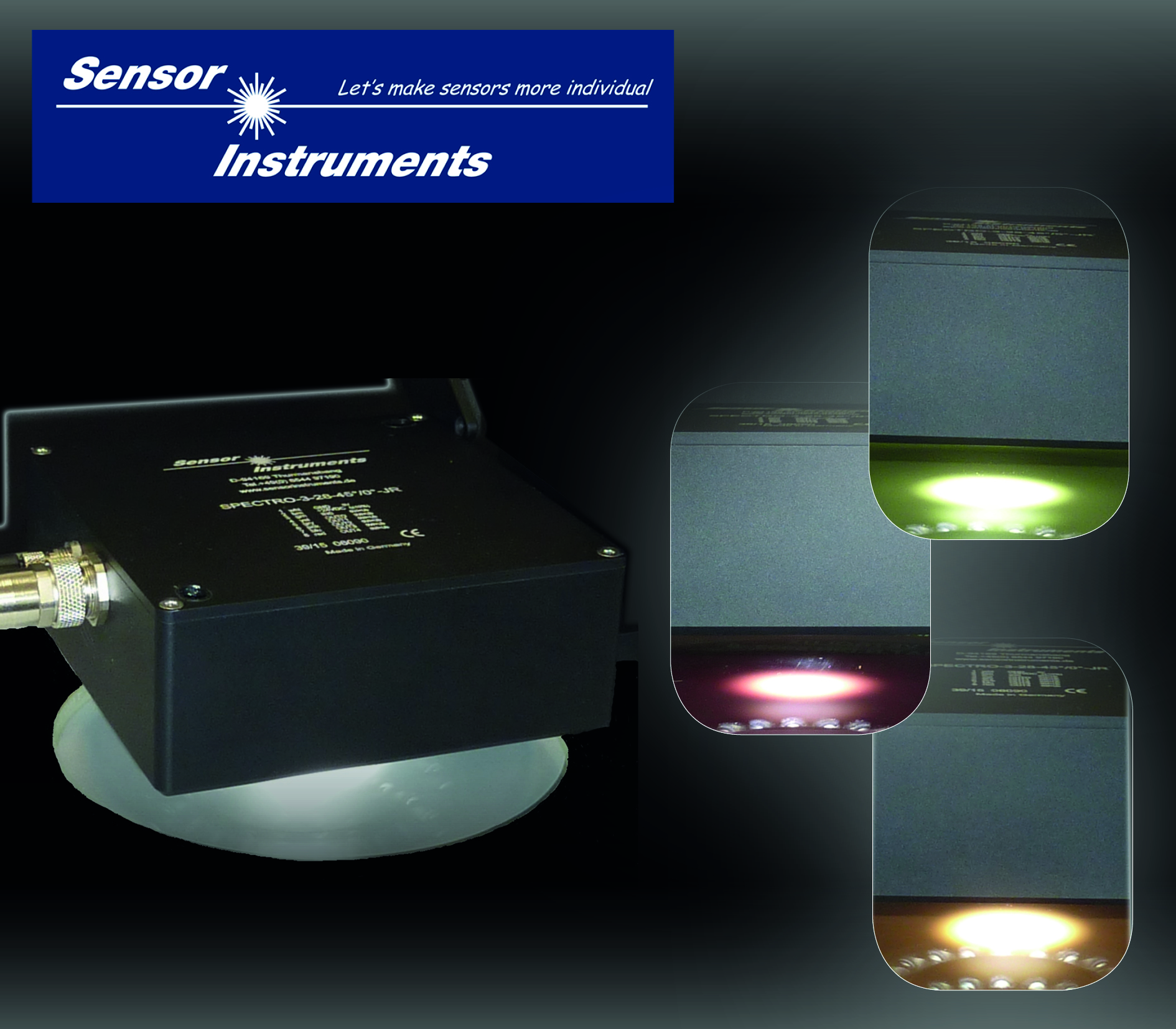 |
| Sensor de medición del color SPECTRO-3-28-45°/0°-MSM-ANA-DL |
 )
)






 TOP
TOP